
Termites or Wood Borers? How to Identify Wooden Damage Before Treatment
Noticed tiny holes in a wooden cupboard, powder beneath a door frame, or timber that sounds hollow when tapped? These signs can be worrying—but they do not all point to the same pest.
Termites and wood-boring beetles can both damage wood, yet their signs and control methods can differ. This guide explains the clues homeowners can look for, what those clues may mean, and why identifying the pest before choosing treatment is important.
If you are in Mysore (Mysuru) and suspect damage to furniture, doors, frames or other woodwork, use this checklist to prepare for a professional pest inspection.
Quick Identification Checklist: What Are You Seeing?
| What you notice | Possible explanation | What to do next |
|---|---|---|
| Small, fairly round holes in wood with fine powder nearby | Possible wood-boring beetle activity | Photograph the holes and check whether fresh powder reappears. |
| Mud-like tubes on masonry, a wall, foundation or timber | Possible subterranean termite activity | Record the location and arrange an inspection. |
| Wood that appears blistered, hollow or weakened beneath its surface | Possible concealed insect damage, including termites | Have the affected area assessed; avoid damaging structural timber yourself. |
| Powder or debris that returns after being cleaned away | Possible continuing insect activity, but the source needs confirmation | Take dated photographs and note where debris accumulates. |
| Old holes with no new powder or other activity | Could be historic damage or an inactive infestation | Do not assume it is active or harmless; have the condition assessed if the wood matters structurally. |
Important: These are clues, not a diagnosis. Some signs overlap, and different species of termites and wood-boring beetles leave different evidence. A qualified inspection may be needed to identify the pest and determine whether activity is current.
Signs That May Point to Termites
Termites can feed inside wood or other cellulose-containing materials, often leaving damage that is not immediately visible from the outside. The signs depend on the termite group and where it is active.
1. Mud or shelter tubes
Subterranean termites may construct narrow, soil-like shelter tubes along walls, foundations or other surfaces to travel while protected from exposure. A mud tube is a significant clue, but an inspector should check whether it is associated with active termites.
2. Hollow, weakened or blistered wood
Termite-damaged timber may sound hollow or have a thin surface over concealed galleries. The outside can sometimes look relatively intact while the inside has been damaged. Do not rely on tapping alone to determine how much strength remains.
3. Hidden galleries or internal damage
Some termite damage follows the grain of the wood or occurs behind finishes. The visible surface may not show the full extent. A professional may need to inspect accessible edges, joints and adjoining areas.
4. Swarmers or discarded wings
Winged reproductive termites may appear during swarming periods. Finding winged insects or discarded wings indoors can be a reason to investigate, although flying ants and other insects may be confused with them.
For an overview of subterranean termite evidence, see the University of California Integrated Pest Management guidance on termites.
Signs That May Point to Wood-Boring Beetles
Wood-boring beetles include several groups whose larvae tunnel through wood. Homeowners may notice the damage before seeing the insect itself.
1. Small round or oval exit holes
Some wood-boring beetles leave small, round holes when adult beetles emerge from the wood. Hole size and shape vary by beetle group, so a hole's appearance alone cannot identify the species.
2. Fine powder or sawdust-like debris
Beetle larvae can produce frass—a mixture of insect waste and wood fragments—as they tunnel. It may look like fine powder, gritty dust or small pellets, depending on the insect.
3. Fresh debris that reappears
If you clear the powder and it returns near the same holes, that can indicate continuing activity. Record the location and date rather than repeatedly disturbing the wood. An inspector can assess whether the debris is fresh and which pest may be responsible.
4. Damage in furniture, flooring or timber
Wood-boring beetles may affect furniture, wooden flooring, trim, cabinets or structural timber. The type of wood, its condition and the beetle species all influence the risk and the appropriate management approach.
Read the University of Maryland Extension's powderpost beetle guidance for examples of exit holes, frass and signs that may suggest active beetle infestation.
Termites vs Wood Borers: What Is the Difference?
| Clue | Termites | Wood-boring beetles |
|---|---|---|
| Common visible evidence | May include mud shelter tubes, concealed galleries, hollowed wood or swarmers | May include small exit holes and powder-like or pellet-like frass |
| Where damage occurs | Wood and other cellulose-containing materials; location varies by termite group | Furniture, flooring, trim or timber, depending on beetle species and wood type |
| Can damage be hidden? | Yes; the exterior may conceal internal damage | Yes; larvae can tunnel within wood before adults emerge |
| Does one clue prove the pest? | No | No |
| Why identification matters | Inspection and control need to address the termite species and its source or access route | Control depends on beetle group, affected wood, activity and whether the material can be repaired or replaced |
The most useful distinction is the pattern of evidence. Mud shelter tubes may suggest subterranean termites, while small emergence holes with frass may suggest wood-boring beetles. However, not every termite species makes the same visible signs, and not every beetle infestation leaves identical holes or debris.
Could Something Else Be Causing the Wooden Damage?
Yes. Moisture, fungal decay, mechanical damage, old nail or screw holes, and other insects can affect timber. Powder or debris might also come from drilling, sanding, renovation or a nearby source.
Before selecting a treatment, consider:
- Was the wood recently drilled, cut, sanded or repaired?
- Is there a leak, damp patch or recurring moisture near the affected timber?
- Are the holes old, or have new holes appeared?
- Does the powder return after cleaning?
- Is the damage limited to one furniture item, or is it present in several locations?
- Are there other signs, such as mud tubes, live insects, wings or weakened wood?
These observations help narrow the possibilities, but they should not replace pest identification.
What Should a Professional Pest Inspection Check?
A useful inspection should go beyond looking at one hole. The inspector should assess the damage pattern, accessible surrounding areas and possible moisture or entry conditions.
Inspection points to discuss
- Identify the suspected pest: Ask what evidence supports the identification and whether the pest can be confirmed.
- Check the affected wood: Inspect holes, debris, surface condition and accessible signs of internal damage.
- Assess the extent: Determine whether the issue appears limited to one item or may involve nearby timber or building areas.
- Look for contributing conditions: Check for moisture, damaged finishes, untreated wood or other relevant conditions.
- Explain the proposed method: Ask what areas will be treated, what the method is intended to control and what it cannot guarantee.
- Discuss safety and follow-up: Request product-specific precautions, preparation steps, re-entry guidance and any recommended monitoring.
For wood-boring beetles, the first step is to identify the beetle group and determine whether the infestation is active. The UC IPM wood-boring beetle guidance explains why identification is central to choosing a management approach.
What Should You Do Before Treatment?
- Take clear photographs. Photograph the holes, debris and wider location, including nearby surfaces.
- Record the date and location. Note whether the powder or other evidence returns after being cleaned away.
- Avoid applying random chemicals. Do not use agricultural chemicals, fuels, solvents or unlabelled products on furniture or building timber.
- Do not cut into structural wood yourself. If a beam, frame or other load-bearing member seems weakened, arrange a qualified assessment.
- Address obvious moisture issues. Report leaks or dampness for appropriate repair; moisture may contribute to timber deterioration and can complicate pest assessment.
- Ask for a written scope. Confirm the pest being treated, the locations included, the preparation needed and any follow-up recommendations.
Do not assume that a treatment advertised for termites will also control every wood-boring beetle. The pest and the affected material should be identified first.
Termite and Wood-Damage Inspection in Mysore
If you have noticed holes, powder, mud-like marks or weakened woodwork in Mysore (Mysuru), start by documenting what you see. A professional inspection can help determine whether the signs are consistent with termites, wood-boring beetles or another cause.
Explore Service Raju's Mysuru service directory for pest-control assistance. Before booking, explain the exact signs you have found and confirm that the team can inspect the suspected pest and affected woodwork.
Booking note: Confirm the inspection scope, whether wood-borer identification or treatment is available, and the current charges before scheduling. Do not assume a general termite-control package includes every wood-boring insect or repair service.
Frequently Asked Questions
1. How can I tell termite damage from wood-borer damage?
Mud-like shelter tubes and concealed, hollowed timber may suggest termites. Small round exit holes with powder or frass may suggest wood-boring beetles. These are clues only; identification requires examining the full evidence.
2. Does wood powder always mean wood borers?
No. Powder may come from beetle activity, but it can also result from drilling, sanding, renovation or other sources. Check whether it is associated with holes and whether it reappears after cleaning.
3. Do termites make small round holes in furniture?
Small round emergence holes are commonly associated with some wood-boring beetles. Termite signs vary by species and may include hidden galleries, mud tubes or damaged wood. A hole alone is not enough to identify the pest.
4. Are old wood-borer holes still a problem?
Not necessarily. Some holes may be evidence of past activity. Fresh debris or newly appearing holes may indicate continuing activity, but an inspection is needed to assess the condition and risk.
5. Can damaged furniture be treated without replacing it?
Possibly, depending on the pest, the extent of damage, the item's construction and whether the infestation is active. A professional should explain suitable options. Severely weakened or extensively damaged wood may require repair or replacement.
6. Should I book termite treatment if I find powder under a cupboard?
First determine what is producing the powder. It could be wood-boring beetle frass or another source. Ask for an inspection before choosing a termite-specific treatment.
7. Can moisture cause wood damage that looks like pest damage?
Moisture and fungal decay can weaken or change timber, and they may coexist with insect activity. Report leaks or dampness and have the wood's condition assessed.
8. When should I arrange a pest inspection in Mysore?
Consider an inspection when signs recur, multiple pieces of wood are affected, timber appears weakened, or you cannot identify the source. If structural wood may be compromised, seek an appropriate building or structural assessment as well.
9. Does termite control automatically include wood-borer control?
No. Different pests may require different identification and management methods. Confirm which pest the provider has identified and which treatment is included in the quote.
10. What information should I share when requesting an inspection?
Share photographs, the location and type of wood, when the signs first appeared, whether debris returns, and whether there are mud tubes, live insects, wings or moisture issues.
Identify the Pest Before Choosing Treatment
Termites and wood-boring beetles can both damage timber, but the signs they leave may differ. Mud shelter tubes, hidden galleries, small exit holes and recurring powder each provide useful clues—but none should be treated as a stand-alone diagnosis.
Photograph the evidence, monitor whether it changes, and arrange an inspection when the damage is recurring or the wood may be weakened. Correct identification helps you choose a suitable treatment rather than paying for a solution aimed at the wrong pest.
Explore Service Raju's Mysuru pest-control services and ask about an inspection.
 AC Repair
 Ant Control Service
 Basin & Sink Services
 Bath & Shower Services
 Bath Fittings & Mirrors
 Bathroom Cleaning Service
 Bathroom Renovation Services
 Bed Bug Control Services
 Bedroom Painting
 Book a Carpenter Consultation
 Book Electrical Consulting
 Cabinet Painting & Wood Refinishing
 Chimney Cleaning
 Civil Masonry Work
 Clean-Up Services
 Clothes Hanger Installation
 Cockroach Control Services
 Commercial Cleaning
 Commercial Pest Control AMC Service
 Cupboard & Drawer Services
 Decorative Wall Panels
 Deep Sanitisation Service
 Detan & Bleach
 Door, Grill & Cabinet Painting Service
 Doorbell & security
 Drain Blockage Clearing
 Electrical Appliance Services
 Electrical Wiring Services
 Empty Home Deep Cleaning
 Fabrication
 Facials
 Fan Installation & Repair
 Full Home Cleaning Service
 Full Home Renovation
 Furniture Repair Service
 Gas Stove & Hob Repair
 General Pest Control Services
 General Plumbing & Consultation
 Geyser Repair
 Glass Cleaning
 Head Massage
 Honeybee & Wasp-Services
 Kitchen & Bathroom Painting Service
 Kitchen Cleaning
 Kitchen Fittings
 Kitchen Renovation
 Laptop/Desktop service
 Leak Detection and Repair
 LED TV Repair
 Living and Dining Room Painting
 Makeup, Saree & Styling
 Manicure & Pedicure
 MCB,Meter & Fuse Services
 Microwave Repair
 Mosquito Pest Control Service
 Multi-Room Painting Service
 Painting Consultation
 Quick Mini Cleaning Services
 Refrigerator Repair
 RO Water Purifier
 Rodent Control Services (Rat & Mice Treatment)
 Rooms Cleaning
 Shelves & Decor
 Sofa, Carpet & Mattress Cleaning
 Solar Water Heater Service
 Sump & Tank Cleaning
 Switch & Socket Services
 Tap & Mixer Service
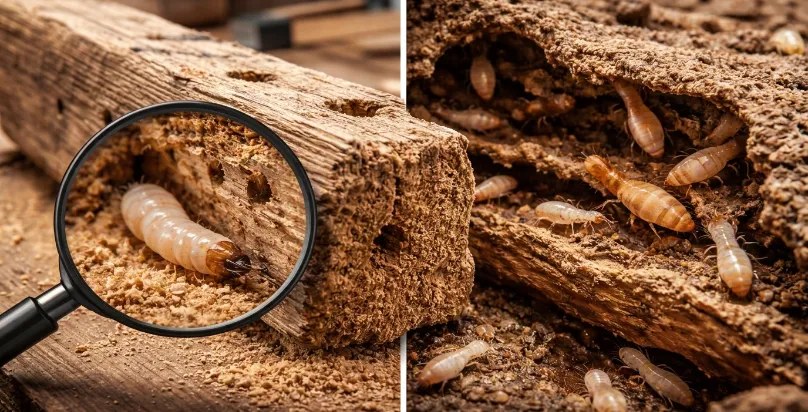 Termite-Control-Services
 Threading & Face Wax
 Tile & Granite Installation & Polishing
 Toilet & Commode Services
 UPS and Inverter Repair Services
 Wall Painting Service
 Washing Machine Repair
 Water Level Controllers
 Water Tank and Pump Repair
 Waterproofing
 Waterproofing Services
 Waxing
 Window & Curtain Services
 Wooden Door Services